
September 29, 2025 by Sarah Pipino (‘26)
One of my personal favorite styles of artwork is folk art, which has helped shape the societies in which we live today. Yet, this art is disappearing or being undermined by those who don’t understand its significance. Firstly, many people are unfamiliar with the term “folk art” and may not understand its style. So what is folk art?
Folk art has no simple, clear-cut definition. The best way to describe it would be that it is a visual representation of different cultures’ beliefs, stories, and customs. Folk art can refer to all different types of art: folk dance, literature, music, myths, and more. Today, we are going to talk about the various types of visual folk art.
Whether it’s sculpture, quilt or embroidery, metalwork, paintings, or drawings, all mediums can be folk art. Folk art is always handmade, and it differs from fine art in that it cannot be taught in art schools. Instead, it is passed down from generation to generation as a way to recount and preserve the intricacies of one’s community. It can be used as purely decorative or utilitarian, or as a mix of both.
Another important factor to consider is that this art is specific to every culture. Since every community is unique, every community’s traditional art is unique too. Let’s look at some of the many types there are in the world.
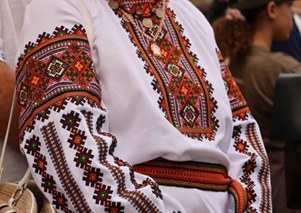
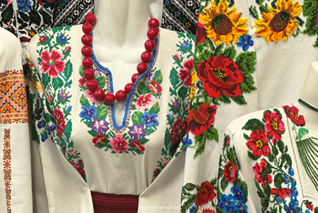
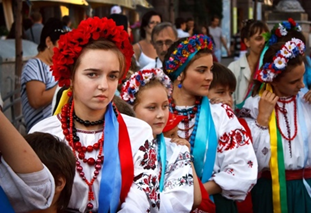
Vyshyvanka, Ukraine
Images via giftsfromukraine.com, littleukrainianblog.com, skillshare.com
In addition to painted Easter eggs (Pysanky) and the iconic flower crowns (Vinok), Ukrainian Vyshyvanka is a symbol of Ukraine’s rich culture and history. It is a style of embroidery that differs between regions, with every part of the country having slightly different elements represented in the designs.
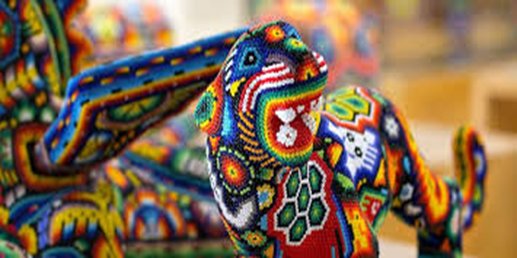
Huichol, Mexico
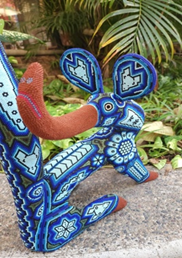
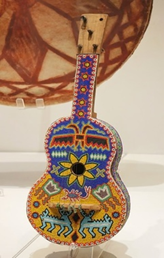
Images via artesaniasdemexico.com, peyotepeople.com, museumofbeadwork.org
Huichol, named after the indigenous tribe that creates this style of art, is a type of beadwork that covers 3D designs with one layer of beads. It features vibrant colors and geometric patterns that reflect the ancient art of the Aztecs, who are the ancestors of the Huichol people.
Kākau Uhi, Hawai’i
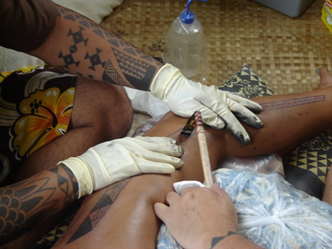
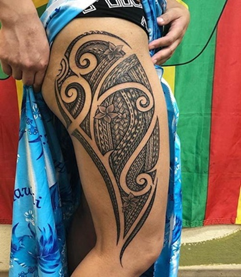
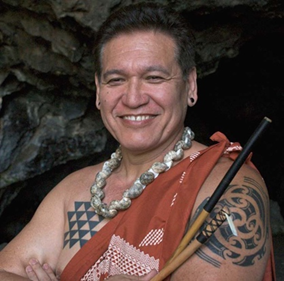
Images via flickr.com,stylecraze.com, firstpeoplesfund.org
Kākau Uhi is the art of hand-tapped tattoos in Hawai’i, which has existed long before the islands were colonized and is still used today as a way for native Hawaiians to proudly wear their culture. These tattoos are not for aesthetics, but are used to signify a person’s ancestry, personal life story, and connection to their community.
Kalamkari, India
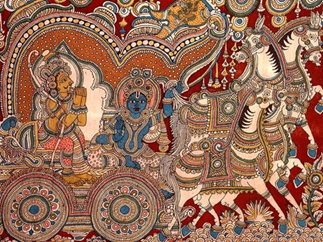
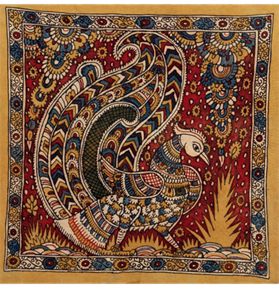
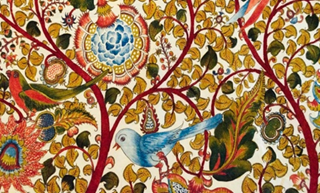
Images via utsavpedia.com, redearthindia.com, esamskriti.com
This art form from Andhra Pradesh involves painting or block-printing dyed designs onto cotton to create patterns and communicate stories. Animals, nature, and mythological or religious figures are usually depicted in these stunningly detailed designs.
Zhiyuan, China
Images via chinatoday.com.cn, usachinadaily.com.cn, news.cgtn.com
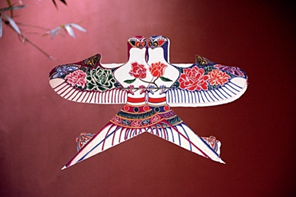
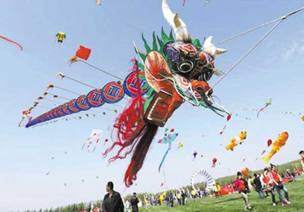
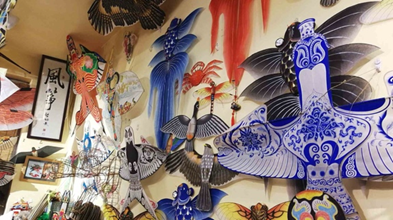
Known by many different names, Zhiyuan or Chinese Silk Kites are an iconic piece of Chinese history and culture. Made from wood and either silk or paper, these kites were originally created for military purposes, like measuring the length of land or communicating in the sky between forces. Now, however, they are a longstanding tradition that features symbolic creatures, characters, and other beautiful designs.